

When the weather turns and lineups build, a frozen treat is one of the easiest ways to lift a check average, and the question we hear most is whether to buy a slush machine or an ice cream machine. They both sell cold and both draw a crowd, but they run very differently behind the counter. Our range of commercial ice cream and slush machines covers both, so this guide walks you through which one earns its space in your business.
Here is the quick take. A slush machine is the lower-cost, lower-labour play that thrives on impulse volume. An ice cream machine costs more and asks for more daily care, but it delivers a higher-ticket, signature dessert. Your traffic, your staff, and your concept decide the winner, and the sections below make that call clear.
What each machine actually makes
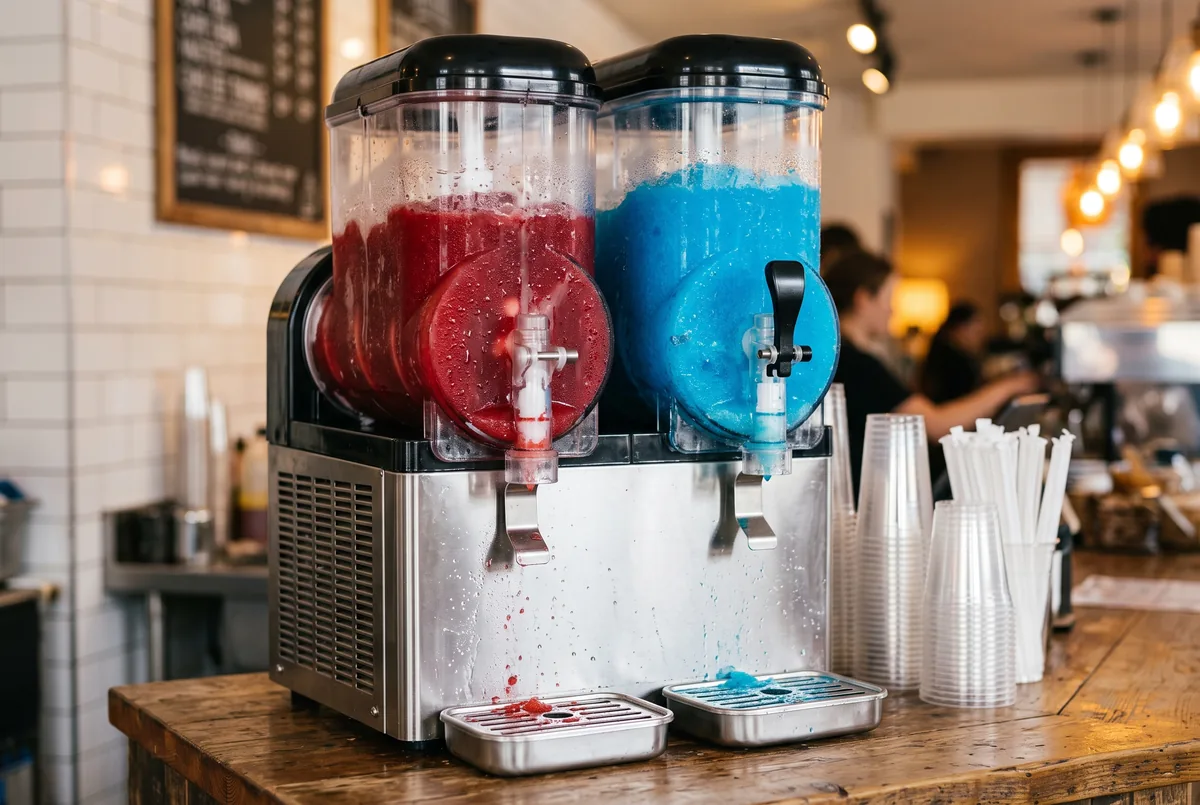
Start with the product, because that is what your customers actually buy. A slush machine chills a flavoured liquid mix and keeps it churning in a clear hopper so it stays as a loose, drinkable slush. It is built for frozen drinks, slushies, and granita, and the see-through bowl doubles as advertising: a swirl of bright colour pulls in impulse buys all on its own.
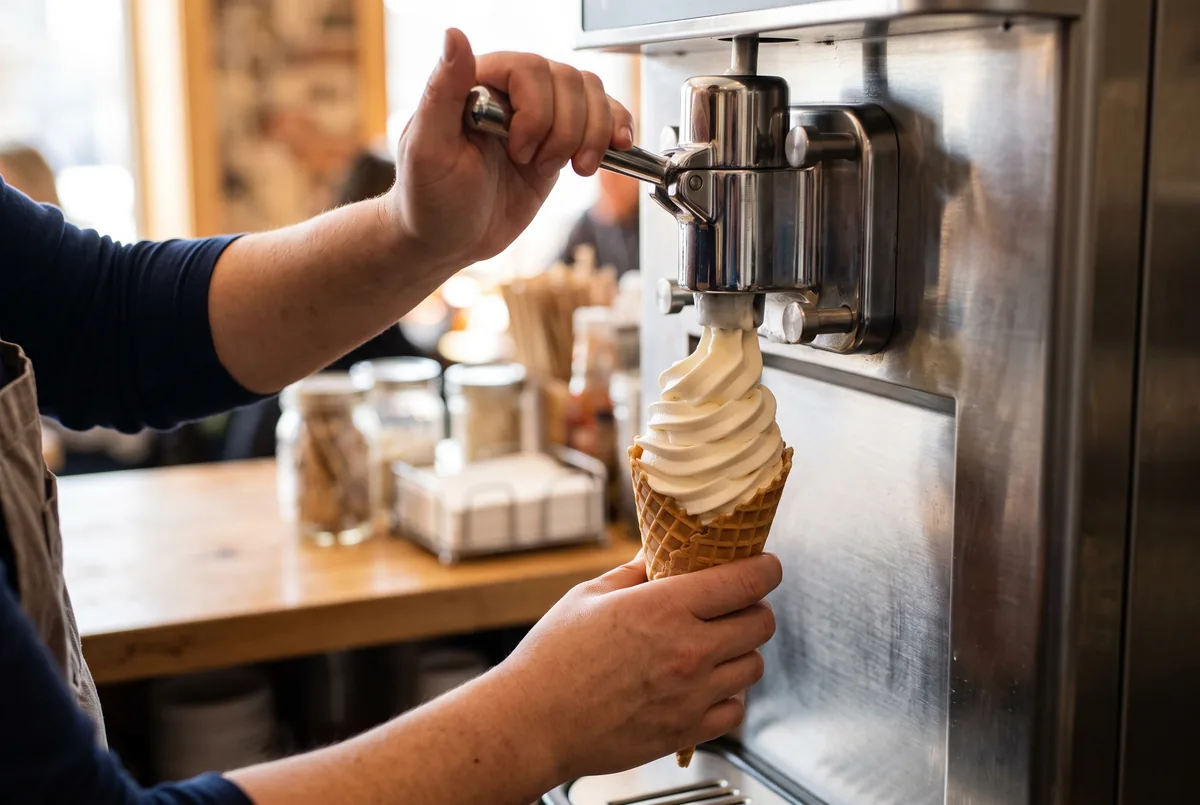
An ice cream machine, most often a soft serve unit, freezes and whips a richer dairy or plant mix into a smooth, pipeable dessert that you pull straight into a cone or cup. It can also handle gelato and frozen yogurt depending on the model. That means a heavier, more precise machine and a thicker product, but also a dessert people are happy to pay more for. The two units share a counter well, but they are chasing different sales.
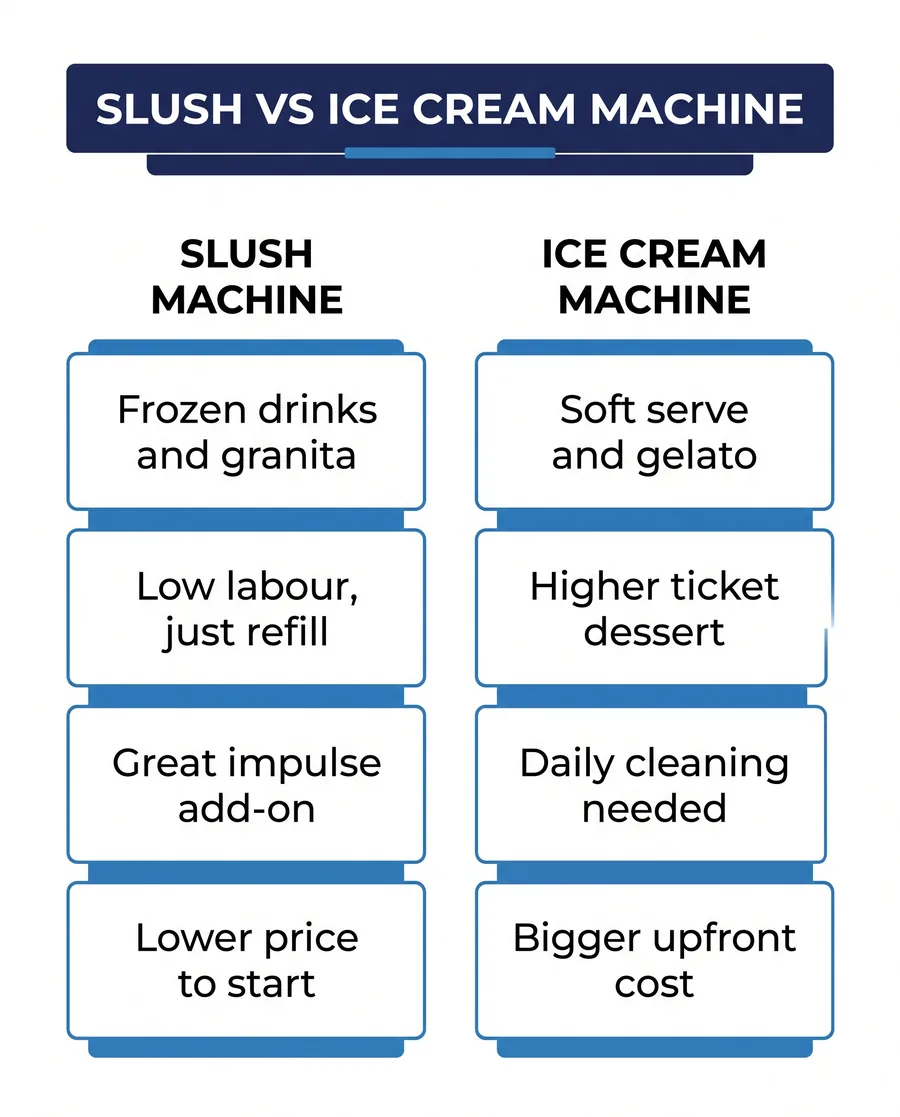
Before we go deeper, the table below lines up the trade-offs side by side so you can see where each machine pulls ahead.
| What you are weighing | Slush machine | Ice cream machine |
|---|---|---|
| What it serves | Frozen drinks, slush, granita | Soft serve, gelato, frozen yogurt |
| Upfront cost | Lower to get started | Higher, more complex machine |
| Daily labour | Light, mostly refilling mix | Heavier, daily cleaning and sanitizing |
| Ticket and margin | Low ticket, strong impulse volume | Higher ticket, signature dessert |
| Best fit | Cafes, c-stores, snack bars, patios | Dessert shops, QSRs, high-traffic sweet menus |
Save your money
If cash flow is tight, a slush machine is the gentler first step. The lower upfront cost and simple daily routine let you test frozen sales on your counter without a big commitment. If it flies off the shelf, that proven demand makes it far easier to justify adding an ice cream machine next season.
When a slush machine is the better buy
A slush machine shines when you want a fun, fast, low-maintenance item that sells itself. Convenience stores, snack bars, cafes, cinemas, and patio spots all do well with one, because the product is cheap to make, quick to serve, and needs almost no training. Staff top up the mix, the machine does the rest, and the bright hopper markets the drink to everyone who walks past.
It is also the easier machine to own. Daily labour is light, the upfront price is friendly, and you can add flavours or seasonal colours without changing anything about the equipment. If your goal is more impulse revenue per customer rather than a destination dessert, the slush machine is usually the smarter spend. It quietly adds dollars to tickets you were already ringing up.
When an ice cream machine wins
An ice cream machine earns its higher price when dessert is part of your identity, not just an add-on. Soft serve and gelato carry a bigger ticket and a bigger wow factor, and for a dessert shop, a quick-service restaurant, or a high-traffic sweet menu, that signature swirl can be the reason people choose you over the spot next door. The margin on a well-run soft serve program is hard to beat.
The trade-off is care. These machines cost more, they need more counter space and power, and frozen dairy demands a disciplined daily cleaning and sanitizing routine to stay safe. If you have the volume to justify it and the staff to maintain it, an ice cream machine turns dessert into a real profit centre rather than a nice extra.
Did you know?
Some of our units are ice cream and gelato showcases paired with slush capability, so you can merchandise scooped product and pour frozen drinks from one display. For a shop that wants a full frozen dessert corner, those combination showcases can cover more of the menu in a single footprint. Read the model details to see exactly what each one serves.
Match the machine to your space and volume
Once you know which product fits your concept, size it to your traffic and your counter. A single-hopper slush unit suits a small cafe, while a busy c-store may need two or three bowls so it never runs dry on a hot afternoon. For soft serve, match the machine output to your rush and confirm you have the power and clearance. Run your situation through the quick selector below.
Which frozen unit fits my business?
A quick pointer, not a final spec. Volume, power, and space still matter, so ask for a quote.
Pro tip
Whatever you choose, size up for your peak, not your average. A frozen unit that empties mid-rush costs you the exact sales you bought it for. Tell us your busiest hour and your counter dimensions and we will point you to a unit that keeps up without crowding your line.
Please note: This article is general buying guidance for foodservice operators, not a food safety ruling or a guarantee of results. Frozen dessert equipment varies in capacity, power draw, and cleaning requirements. Confirm the specs, your electrical supply, and local health rules for frozen dessert handling before you order.
Download the free decision guide
Keep the slush vs ice cream machine guide handy while you compare models and quotes.
Slush vs Ice Cream Guide – Free PDFCanada Food Equipment supplies new frozen dessert equipment to cafes, convenience stores, dessert shops, and restaurants across Canada. Compare models in our ice cream and slush machines range, explore the gelato showcases and slush machines, or pair either with a commercial ice machine. When you are ready, contact our team for a quote and we will size the right unit for your space and volume.
Frequently asked questions
Is a slush machine or an ice cream machine cheaper to run?
A slush machine is usually the lighter lift on both cost and labour. The unit itself tends to cost less upfront, the mix is simple to prepare, and daily upkeep is mostly topping up the hopper rather than a full teardown. An ice cream machine, especially a soft serve unit, costs more to buy and demands a real daily cleaning and sanitizing routine to stay safe and legal. Running costs also depend on how hard the compressor works, so pick an energy-conscious model. You can review the ENERGY STAR Canada program when you compare efficiency.
Can one machine make both slush and ice cream?
Not really, and you should be cautious of anything that claims to do both well. A slush machine freezes a liquid mix just enough to keep it in a drinkable, slushy state, while an ice cream machine freezes and churns a richer mix to a scoopable or pipeable texture. The refrigeration, the augers, and the mix are tuned for those different end results. If you want both on your menu, most operators run two dedicated units. That keeps each product at its best and avoids a compromise machine that does neither job cleanly.
How much daily cleaning does each one need?
Slush machines are the easier of the two. Many can run a couple of days between full cleans if the mix and manufacturer allow, though you should still wipe down and follow the maker’s schedule. Soft serve ice cream machines are stricter: dairy mix sitting in the barrel needs regular breakdown, cleaning, and sanitizing, often daily, to prevent bacterial growth. Before you buy, be honest about the staff time you can commit. Handling frozen dairy safely is a real responsibility, so check the food safety standards from the Canadian Food Inspection Agency for your setup.
Which one makes more money for a small cafe or store?
It depends on your traffic and your concept. A slush machine wins on volume and impulse: it is a low-cost, fun add-on that sells fast on a hot day and needs little training, which suits a convenience store, snack bar, or patio. An ice cream machine wins on ticket size and identity: soft serve and gelato carry a higher price and can become the reason people visit, which suits a dessert-focused shop or a busy quick-service spot. If you are unsure, many operators start with a slush unit and add an ice cream machine once demand proves out.