
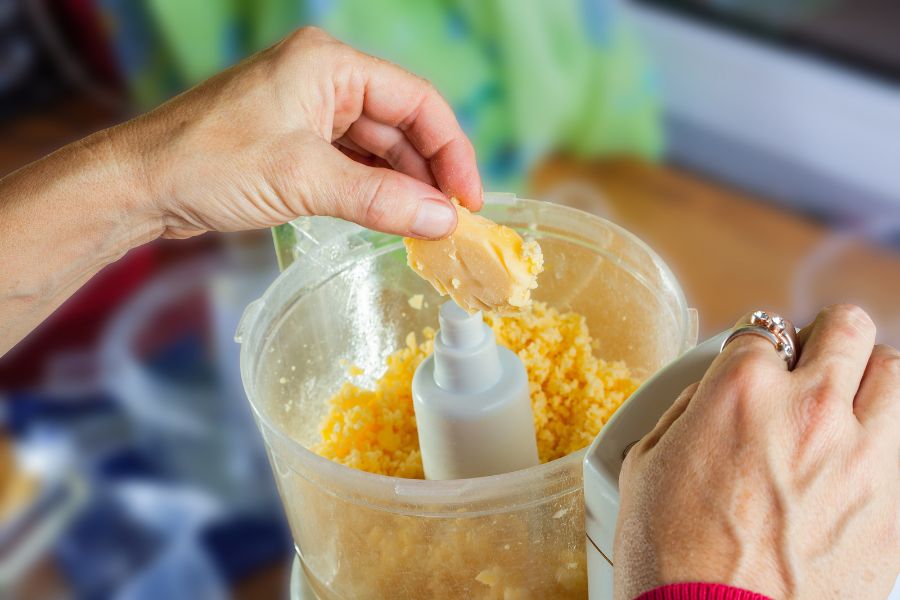
One of the most important kitchen appliances is your commercial food processor, whether you own a restaurant, catering business, juice bar, bakery, or food truck in Toronto, Vancouver, Montreal, Calgary, or Halifax, or anywhere else in Canada. Every day it grinds, purees, cuts, shreds, and chops. However, even the strongest models from Hobart, Waring, or Robot Coupe can wear out quickly if not regularly serviced. The vast majority of failures can be avoided. You can improve the life of your blender or food processor, prevent expensive replacements, and keep your kitchen operating consistently with a regular food processor maintenance routine.
This guide is not only for people who are looking to get into the food biz, it is created for kitchen operators who require practical, useful guidance. We’ll show you how to clean it, what to check every month, how to spot early warning signs, and how to take care of common issues on your own. Moreover, if you plan to shop online for a durable new or refurbished unit, we’ll help you determine what you should look for.
Why Proper Food Processor Maintenance Saves You Time and Money
A commercial food processor is different from an average home appliance. It may run 30 to 50 cycles per day in a hectic kitchen. When you can’t afford interruptions, ignoring causes motor burnout, leaking bowls, dull blades, or total failure during peak service, maintaining these appliances becomes very important.
The majority of food processors malfunction due to misuse or inadequate upkeep rather than defects. 90% of common issues can be avoided by implementing a few simple practices. This guide is solely focused on what you and your team can do in-house.

Before You Buy: How Your Purchase Affects Maintenance
Believe it or not, food processor maintenance starts before you even own the unit. The model you choose directly impacts how much upkeep it needs.
Key Factors That Influence Maintenance Needs
Factor |
Low-Maintenance Choice |
High-Maintenance Risk |
|---|---|---|
| Motor Power | 1.5 HP or higher for heavy-duty use | Under 1 HP for high-volume kitchens |
| Bowl Material | Stainless steel (durable, no warping) | Polycarbonate (can crack or cloud over time) |
| Brand Reliability | Robot Coupe, Hobart (parts widely available in Canada) | Off-brand or discontinued models (hard to find parts) |
| Blade Design | Solid stainless steel with secure locking | Plastic hubs or loose-fit blades |
If you’re planning to shop for a Robot Coupe food processor, always verify the model number, check parts availability, and read real user reviews, not just specs. A unit that’s easy to disassemble and clean will save your staff hours every week.
Non-Negotiable: Food Processor Daily and Weekly Cleaning
Cleaning isn’t optional, it’s the core of food processor maintenance. Here’s exactly how to do it right, step by step.
Step-by-Step Daily Cleaning Routine
1. After using the device, unplug it right away. When it’s plugged in, never clean.
2. Disassemble the bowl, lid, blade, pusher, and gasket (if any are detachable).
3. To avoid clogging drains, rinse large food debris under warm water.
4. Use a gentle sponge and mild dish soap to wash. Steer clear of abrasive pads since they trap bacteria and scratch surfaces.
5. Clean gaskets and blades by hand. Repeated exposure to high heat erodes rubber seals and dulls blades, even if the product is marked “dishwasher-safe.”
6. Before reassembling, make sure every component is completely dry. Mold and rust are caused by moisture.
Weekly Deep-Clean Checklist
- Remove and soak the gasket in warm, soapy water to loosen trapped food.
- Inspect the blade shaft for buildup, use a small brush to clean crevices.
- Wipe down the motor base with a damp cloth; never spray water directly on it.
- Check for cracks in the bowl or lid, especially around the locking tabs.

Monthly Preventive Maintenance Tasks You Can Do Yourself
Beyond cleaning, a few monthly checks keep your processor in top shape.
What to Inspect Every 30 Days
| Component | What to Look For | Action If Problem Found |
|---|---|---|
| Blades | Dull edges, chips, or wobbling | Replace immediately, don’t sharpen commercial blades |
| Gasket/Seal | Cracks, stiffness, or odor retention | Replace every 6–12 months in high-use kitchens |
| Motor Base Vents | Dust or grease buildup | Use a dry brush or compressed air to clean |
| Power Cord | Fraying, exposed wires, or loose plug | Stop using immediately; replace cord or unit |
| Bowl Locking Mechanism | Looseness or failure to click into place | Check for worn tabs; replace bowl if cracked |
These checks, which take less than ten minutes, keep your food processor functioning like the dependable workhorse it should be by preventing major malfunctions. Combine your maintenance regimen with long-lasting equipment for even more peace of mind. If you’re not sure which brands are highly regarded by Canadian operators, our guide to top restaurant equipment brands lists the most reputable names in Canada by category, reliability, and parts availability.
Top 5 Common Food Processor Problems, and How to Fix Them Yourself
Even with great care, issues happen. Here’s how to troubleshoot the most frequent problems without calling a technician.
1. Motor Runs But Blades Don’t Spin
This is common in Hobart models and usually means the shear pin has broken, a safety feature that protects the motor from overload. To fix it:
- Unplug the unit.
- Remove the blade assembly.
- Locate the small metal pin in the drive shaft (refer to your manual).
- Replace with an OEM shear pin (available online for most brands).
- Reassemble and test.
Never bypass this pin, it’s there for a reason.
2. Leaking from the Bottom of the Bowl
Leakage almost always comes from a worn gasket or a cracked bowl. To diagnose:
- Fill the bowl with water (without blade) and place it on the base.
- If it leaks, the bowl is cracked, replace it.
- If it holds water, install the blade and run a test with water.
- If it leaks now, the gasket is bad, replace it.
Gaskets cost $10–$25 and are easy to swap.
3. Overheating or Automatic Shut-Off
Commercial processors have thermal overload protection. If it shuts off:
- Stop using it immediately.
- Let it cool for 30–60 minutes.
- Next time, pulse in 30-second bursts with 15-second rests.
- Never fill beyond the max line or process frozen foods without thawing.
If it overheats even with light use, the motor may be failing, consider replacement.
4. Loud Grinding or Squealing Noise
Turn off the machine right away. Causes include:
- Food jammed under the blade.
- Loose blade not fully seated.
- Worn bearings (common in units over 7 years old).
Disassemble, clean thoroughly, and reassemble. If noise returns, the motor housing may be damaged.
5. Inconsistent Chopping Results
This usually means dull blades or incorrect speed settings. Always:
- Use sharp, undamaged blades.
- Match the disc to the task (slicing vs. shredding).
- Cut food into uniform pieces before loading.
- Don’t overload the bowl, process in batches.

When It’s Time to Replace, Not Repair
Since most commercial food processors aren’t user-serviceable beyond basic parts, knowing when to replace is key.
Signs You Need a New Unit
- Motor hums but doesn’t spin (even after shear pin replacement).
- Bowl or lid has hairline cracks (can shatter under pressure).
- Replacement parts are unavailable or cost more than 50% of a new unit.
- Unit is over 8–10 years old and struggles with basic tasks.
If you’re ready to shop online for a reliable food processor, look for models with strong Canadian parts support. We carry tested used units from trusted brands, all inspected for performance and safety.
Brand-Specific Maintenance Food Processor Tips for Canadian Kitchens
Different brands have unique quirks. Here’s what you need to know.
| Brand | Maintenance Strength | Common Issue | Pro Tip |
|---|---|---|---|
| Robot Coupe | Stainless bowls, easy disassembly | Gaskets wear faster in high-humidity kitchens | Keep spare gaskets on hand, order online for fast Canada delivery |
| Hobart | Heavy-duty motors, long lifespan | Shear pins break under overload | Train staff to pulse, not run continuously |
| Waring | Affordable, good for light use | Plastic bowls crack over time | Avoid thermal shock, don’t add hot food to cold bowl |
| Vollrath | Compact, great for cafés | Smaller motors overheat easily | Use only for light chopping, not dough or frozen items |
Where to Get Replacement Parts in Canada
You don’t need a technician to replace a gasket, blade, or lid. Most parts are designed for user replacement. When you shop online, always:
- Use your exact model number (found on the motor base).
- Choose OEM or certified-compatible parts.
- Avoid “universal” blades, they often don’t fit securely.
We stock a wide selection of food processor parts for major brands, with fast shipping across Canada. Whether you’re in Ottawa, Edmonton, or Quebec City, you can get what you need without delays.
Train Your Team To Maintain Food Processor, Protect Your Investment
If your employees don’t follow your maintenance plan, it’s pointless. Consider including food processor maintenance in your maintenance process:
- A laminated cleaning checklist should be posted close to the unit.
- Give a prep chef or line cook the task of inspecting once a week.
- Teach new hires to recognize warning signs.
The longevity, consistency, and consistency of a properly operating food processor make it valuable. When it’s time for an upgrade, we can assist you in finding a unit that suits your budget, menu, and available space so you can continue to serve delicious food without worrying about your equipment.

Written by