
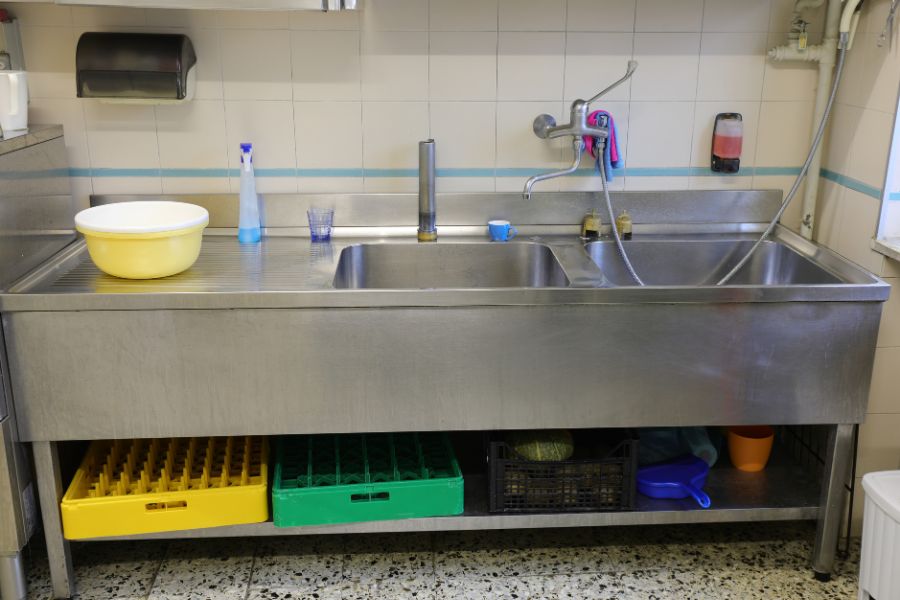
You may not be the only one who found reddish or brown patches on your commercial stainless steel sink. In Toronto, Vancouver, Calgary, and other Canadian cities, a lot of restaurant owners have looked at those marks and wondered what went wrong. Stainless steel is meant to be corrosion-resistant, after all. The fact is, though, that if a sink is not properly maintained, it can sustain damage. From high-volume kitchens in Montreal to food trucks close to Halifax, Canada Food Equipment has witnessed this problem hundreds of times. In the majority of cases, there are a few obvious causes. The good news is that you can prevent rust from spreading and maintain the brand-new appearance of your sink for many years if you have the correct information.
Understanding Why Stainless Steel Sinks Develop Rust and Stains
Stainless steel is robust, hygienic, and made for commercial use, but it is not magic. It contains chromium, which forms a protective layer that resists oxidation. When that layer is damaged by scratches, abrasive chemicals, or prolonged exposure to moisture, rust can start to form. Surface staining, a brown or yellow discoloration caused by iron particles or mineral deposits, is often confused with “rust” by operators. Flaky red spots are a sign of true rust, which is when the metal has begun to corrode.
This isn’t just about appearance. In provinces like British Columbia and Ontario, health inspectors pay close attention to equipment condition. A pitted or rusting sink can raise red flags, even if it’s still functional. And in coastal areas like Nova Scotia, where salt air increases chloride exposure, the risk is even higher.
The Difference Between Surface Staining and True Corrosion
It’s important to know what you’re dealing with. Surface stains can usually be cleaned off with the right products. True corrosion, where the metal itself is breaking down, requires more serious action. If left untreated, small pits can grow into holes, leading to leaks and costly replacements.
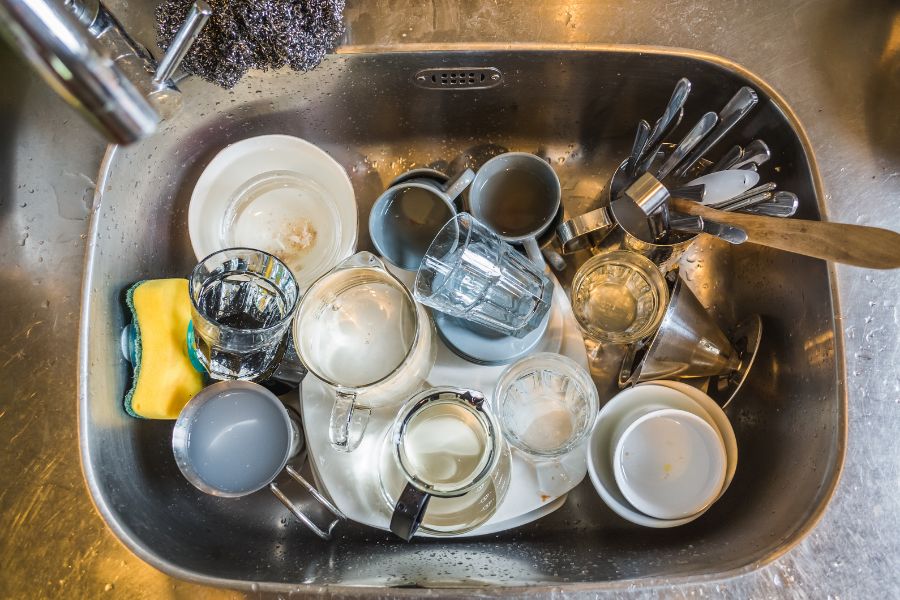
Top 5 Reasons Your Commercial Sink Is Rusting
1. Iron Contamination from Nearby Tools and Utensils
One of the most frequent causes is iron transfer. When carbon steel knives, graters, or pots sit in your sink, tiny particles rub off onto the stainless surface. These particles react with water and air, creating rust spots. This is especially common during rush hours when staff leave tools soaking overnight.
2. Chloride Exposure from Cleaners and Water Sources
Bleach-based sanitizers, table salt, and even tap water contain chlorides that break down the passive layer on stainless steel. Cities like Regina and Edmonton have harder water, which accelerates this process. Over time, repeated exposure leads to pitting, especially around drain openings and under the rim where water sits longer.
3. Standing Water Due to Poor Drainage or Design Flaws
If your sink doesn’t slope correctly toward the drain, water pools in corners or under the lip. In humid environments like summer patios in Ottawa or indoor kitchens in rainy Vancouver, evaporation is slow. That constant moisture eats away at the protective coating. Undermount sinks are especially prone if the sealant fails.
4. Abrasive Cleaning Methods That Damage the Finish
Steel wool pads and heavy-duty scrubbers might seem effective, but they scratch the surface. Those micro-scratches trap moisture, grease, and chemicals, creating perfect conditions for rust. Once the finish is compromised, the problem spreads quickly, especially in high-traffic kitchens.
5. Environmental Factors Like Humidity and Salt Air
Location matters. Operators in coastal regions like Prince Edward Island or Newfoundland face higher chloride levels in the air. Food trucks parked near lakes or oceans see faster degradation. Even seasonal changes play a role, winter heating systems dry the air, then dishwashing adds moisture, causing thermal stress on the metal.
How to Remove Rust and Restore Your Stainless Steel Sink Safely
Before you replace anything, try these proven cleaning methods. Most surface-level issues can be fixed without professional help.
Diy Solutions That Actually Work
Start with mild options and move to stronger treatments only if needed. Always test in an inconspicuous area first.
| Cleaning Method | Best For | Application Tips |
|---|---|---|
| Baking soda paste (baking soda + water) | Light stains and mineral buildup | Apply with soft cloth, rub with grain, rinse thoroughly |
| White vinegar soak | Hard water deposits | Soak paper towel in vinegar, lay on stain for 10 minutes |
| Commercial stainless steel restorer (e.g., Bar Keepers Friend) | Moderate rust and discoloration | Use non-abrasive pad, follow product instructions carefully |
Never mix cleaners, especially chlorine-based products with acids, they create dangerous fumes. And never use bleach after using oxalic acid-based removers; it can cause further corrosion. For reliable, food-safe cleaning supplies, consider checking out our selection of commercial-grade sinks, designed for Canadian kitchen demands.
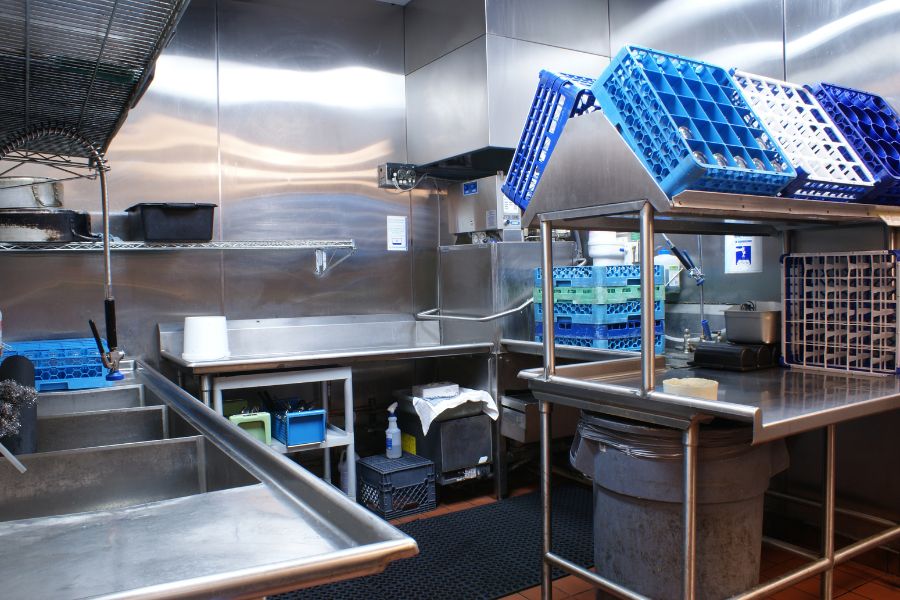
Preventive Maintenance Checklist for Canadian Kitchens
The best way to avoid stainless steel sink rust is with a consistent routine. Train your team to follow these steps daily and weekly.
Daily Habits Every Kitchen Should Follow
- Wipe down the sink after each use with a microfiber cloth.
- Don’t leave carbon steel tools sitting in the basin.
- Use plastic or nylon scrubbers instead of steel wool.
- Rinse thoroughly after using any chemical cleaner.
Weekly Deep-Clean Routine
Perform this check every Friday or before weekend rushes.
| Task | Why It Matters | Frequency |
|---|---|---|
| Clean under the rim and around the strainer | Trapped food and moisture cause hidden corrosion | Weekly |
| Inspect for scratches or dents | Damaged areas lose corrosion resistance | Weekly |
| Flush with fresh water after sanitizing | Residual chemicals accelerate pitting | After each chemical use |
| Dry all surfaces completely | Moisture is the primary driver of oxidation | Daily |
Choosing the Right Cleaners and Accessories for Long-Term Protection
Not all cleaning supplies are created equal. In Quebec and Manitoba, where water hardness varies significantly, using the wrong products can do more harm than good.
What to Look for in a Commercial-Grade Cleaner
- NSF-certified formulas safe for food contact surfaces
- Non-chlorinated options for regular maintenance
- pH-balanced to avoid etching the metal
We recommend switching to citric-acid-based sanitizers in high-risk zones like prep sinks and bar stations. They clean effectively without damaging stainless steel. And if you’re unsure which brands deliver the best long-term value, our guide to the top 10 restaurant equipment brands breaks down the most trusted names by durability, service support, and real-world performance across Canadian operations.
Upgrade Your Sink Setup with Protective Accessories
Simple add-ons can extend your sink’s life:
- Rubber mats to prevent scratching from heavy pots
- Magnetic knife strips to keep blades off the sink surface
- Touchless faucets to reduce hand contact and bacterial growth
These small investments pay off in reduced maintenance and longer equipment lifespan. You might also find value in understanding how proper refrigeration choices affect overall kitchen performance. Check out information on everything you need to know about refrigerators.
When to Replace Your Stainless Steel Sink Instead of Repairing It
Occasionally, the harm is too severe. Replacement is the better option if you notice deep pitting, cracks close to weld seams, or persistent rust after cleaning. Time is wasted, and contamination is possible when attempting to repair a malfunctioning sink.
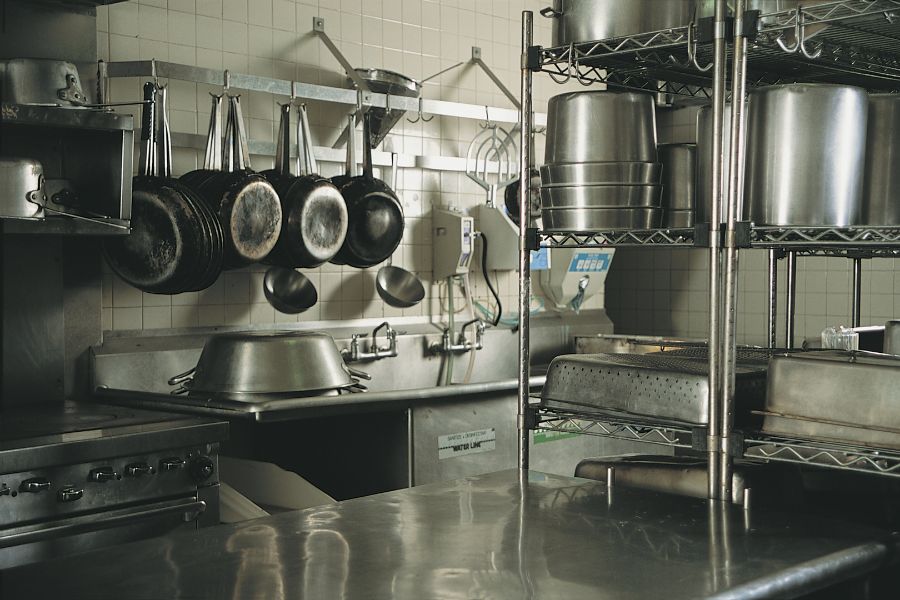
Signs You Need a New Unit
| Symptom | What It Means | Action Required |
|---|---|---|
| Deep pits that won’t polish out | Metal integrity is compromised | Replace immediately |
| Cracks near drain or weld points | Leak risk is high | Stop using and replace |
| Frequent rust returns after cleaning | Passive layer is permanently damaged | Consider upgrading material |
| Outdated design causing drainage issues | Inefficient layout slows workflow | Retrofit with modern unit |
What to Look for in a Replacement Stainless Steel Sink for Canadian Operations
Avoid substituting like with like when it’s time for a new sink. Change to something more environmentally friendly and long-lasting.
316-grade stainless steel, sometimes referred to as marine-grade, is a good option for eateries located in hard-water areas such as southern Alberta or Saskatchewan. Molybdenum, which has been added, increases resistance to chlorides. Even though it costs more up front, it lasts a lot longer in harsh environments.
Look for characteristics such as:
- Seamless welding to stop corrosion in cracks
- Design with a slanted bottom for quick drainage
- Corners that are sheltered for ease of cleaning
- CSA/NSF certification for health code compliance
Popular brands offer reliable models that perform well in Canadian kitchens. We carry both new and inspected used kitchen units that meet these standards, with fast shipping options.
Protect Your Investment with Smart Daily Practices
In a commercial kitchen, a stainless steel sink should last ten years or longer. But only with the right care can that occur. The same rules apply whether you own a café in Fredericton, a catering business in Surrey, or a deli in Winnipeg: keep it dry, clean it properly, and check it frequently.
We at Canada Food Equipment have assisted numerous operators in resolving this precise issue. Understanding how your surroundings, the quality of your water, and your daily routine impact your equipment is more important than choosing the least expensive option. We can also assist you if you’re ever unclear if a stain can be removed or if a unit needs to be replaced. One clean sink at a time, you can keep your kitchen functioning effectively and prevent unnecessary costs with the right approach.