
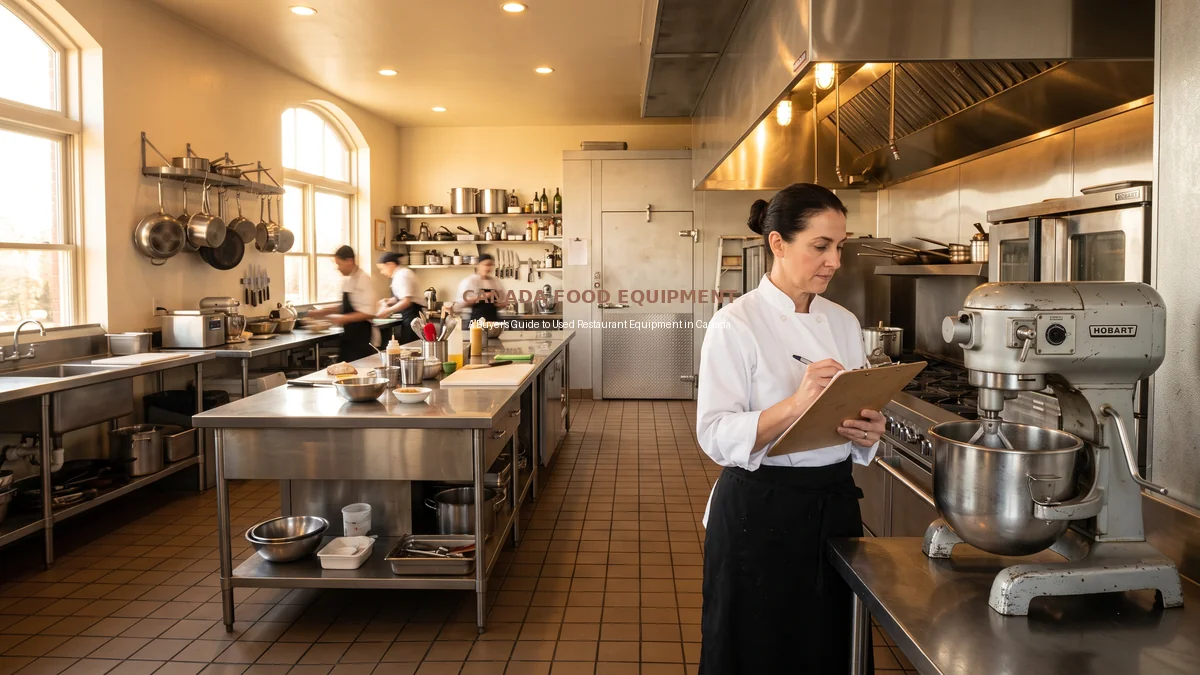
Opening a restaurant or expanding an existing kitchen is expensive. Commercial-grade equipment eats up a massive portion of startup budgets – a single convection oven can run $4,000 to $10,000 new, and that’s before you factor in ranges, refrigeration, prep tables, and dishwashers. Buying used commercial kitchen equipment is one of the most effective ways to cut those costs dramatically, sometimes by 40-70% compared to new. But the used market carries real risks: hidden mechanical problems, missing certifications, and equipment that’s been run hard and is nearing the end of its service life. This guide walks you through exactly what to check when buying used restaurant equipment, where to find quality pieces, and how to avoid the costly mistakes that catch first-time buyers off guard.
Why Buy Used? The Financial Case for Pre-Owned Commercial Equipment
The numbers make a compelling argument. A used commercial range that retailed for $8,000 new might sell for $2,500-$3,500 after just two or three years of service – and if it was maintained properly, it has years of productive life remaining. For a startup restaurant working with limited capital, those savings can cover months of rent or payroll. The depreciation curve on commercial kitchen equipment is steep, similar to vehicles, which means smart buyers can access near-new quality at a fraction of the cost.
Beyond the price advantage, used equipment is often better built than today’s entry-level new equipment. Equipment manufactured in the 1990s and 2000s by established brands like Hobart, Vulcan, Manitowoc, and Garland was built to last decades. Some of that older equipment, properly maintained, outlasts cheaper new alternatives built with more plastic components and thinner steel. This is especially true for heavy mechanical equipment like mixers, slicers, and commercial dishwashers.
Cash flow matters enormously in the restaurant industry, where margins are notoriously thin. The money saved on equipment can be redirected toward food costs, staffing, and marketing – the inputs that actually drive revenue. Many successful restaurant operators make a deliberate policy of buying used for most kitchen equipment and reserving new purchases for items where reliability is critical or where financing makes new equipment financially sensible.
There’s also an environmental argument. Commercial kitchen equipment contains significant amounts of steel, copper, and other materials. Extending its useful life keeps it out of the waste stream and reduces the energy and resources needed to manufacture replacement units. In an industry increasingly conscious of its environmental footprint, buying quality used equipment is a straightforward sustainability choice.
What to Inspect Before You Buy: A Systematic Approach
A systematic inspection process separates informed buyers from those who end up with expensive problems. Don’t let a low price or a seller’s enthusiasm rush you – take your time and check every component methodically.
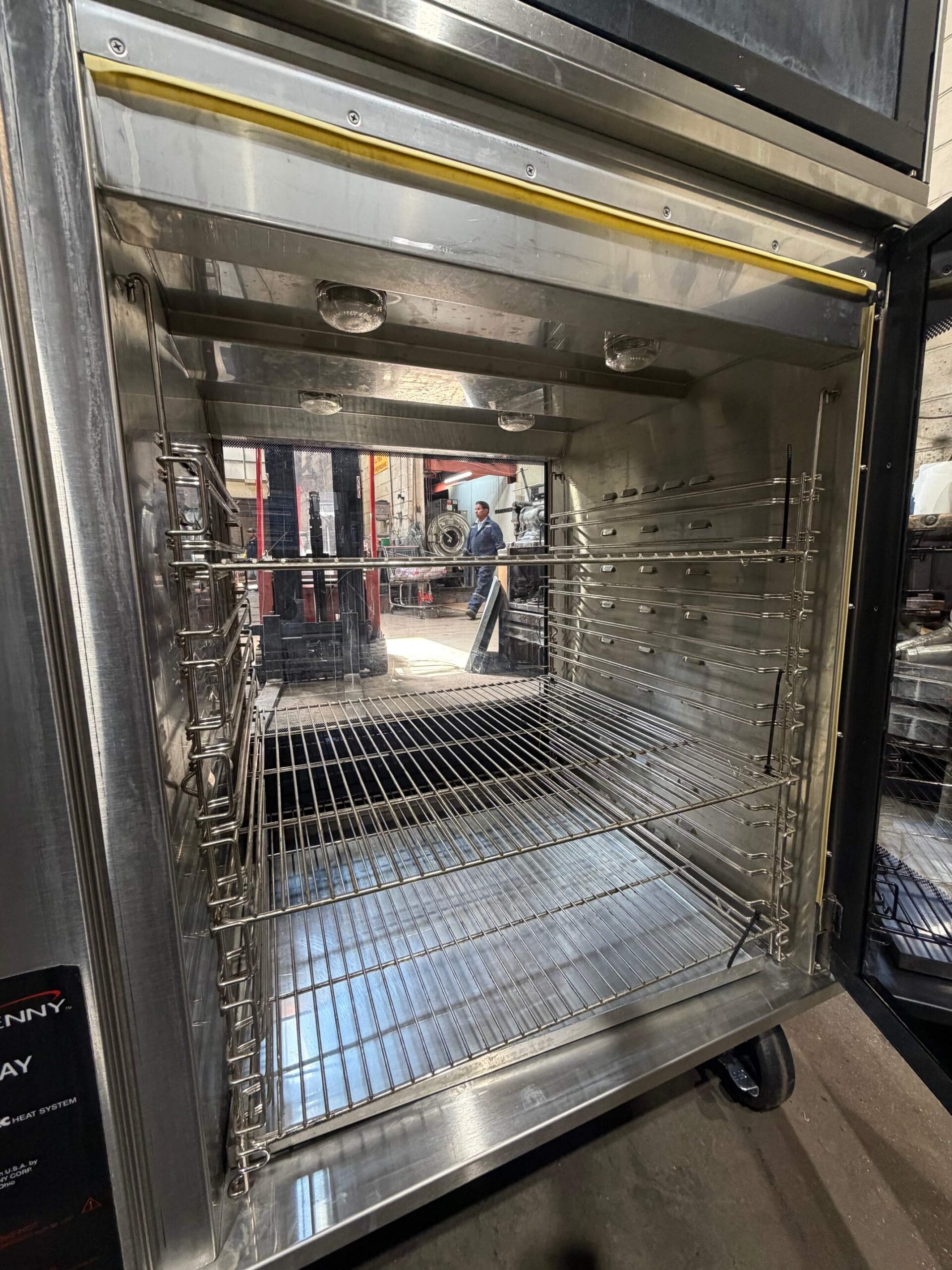
Power it on first. This is the single most important test. Any seller who won’t let you operate the equipment under power before purchase is a red flag. Run ovens at temperature for at least 15 minutes. Cycle refrigeration equipment and verify it reaches and holds its target temperature. Turn on every burner on a range. Run a mixer through its speed settings under load. Listen for unusual noises – grinding, knocking, or high-pitched squealing all indicate mechanical problems that will only get worse.
Inspect welds, seams, and structural integrity. Commercial kitchen equipment takes brutal abuse – heat cycling, vibration, heavy loads, and constant cleaning with harsh chemicals. Check all welds for cracks or separation. Look at the feet and mounting points. Examine any hinges, latches, and door mechanisms. Structural damage is expensive to repair and often indicates equipment that was used hard without proper maintenance.
Check all seals and gaskets. On refrigeration equipment, door gaskets are wear items that harden and crack over time, causing the unit to work harder and run up electricity bills. Replacement gaskets typically cost $50-$200 per door, but if multiple doors need replacement, it adds up. Press the gasket gently with your finger – it should be pliable, not stiff or cracked.
Look for corrosion and rust. Surface rust on exterior panels is usually cosmetic. But rust inside a refrigeration unit, on burner grates that have never been cleaned, or on the interior of an oven indicates either a sanitation problem or a unit that was stored improperly. Some surface cleaning is normal; deep corrosion on structural components is a dealbreaker.
Verify the data plate. Every piece of commercial equipment has a data plate specifying voltage, amperage, BTU output, and certification marks. Make sure the specifications match your kitchen’s electrical and gas supply. A 3-phase 208V commercial oven is useless if your kitchen only has single-phase 240V service. Check that CSA or ULC approval marks are present for Canadian use.
High-Risk vs. Low-Risk Equipment Categories
Not all used equipment carries the same risk profile. Understanding which categories are safer bets and which require extra caution helps you allocate your inspection effort and negotiate appropriately.
Lower-risk categories include stainless steel work tables, shelving, sinks, prep equipment, and small wares. These items have minimal mechanical complexity, are easy to inspect visually, and are inexpensive to repair or replace components. A used stainless prep table in good structural condition is almost always a safe buy.
Medium-risk categories include commercial ovens, ranges, and fryers. Gas equipment requires inspection of burners, pilots, valves, and heat exchanger integrity. Convection oven fans and motors can fail, but replacement parts are generally available for major brands. The key risk is incomplete combustion or heat exchanger cracks in gas equipment – always have a gas fitter verify a used gas appliance before putting it into service.
Higher-risk categories require the most careful scrutiny. Commercial refrigeration (especially walk-in coolers and freezers), commercial dishwashers, and espresso machines have complex mechanical and electrical systems where repairs can be as expensive as replacement. Ice machines are notorious for expensive repairs and require meticulous sanitation inspection.
Hobart mixers are a special case – these machines are legendarily durable and used Hobarts are almost always worth buying if structurally sound, because the brand has been manufacturing replacement parts for decades. A 20-year-old Hobart HL200 mixer may have more useful life left than a new off-brand mixer bought today.
Watch: Benefits of Buying Used Restaurant Equipment
Where to Source Used Restaurant Equipment in Canada
The quality of what you find – and the reliability of your purchase – varies significantly depending on where you buy.
Restaurant equipment dealers are typically the safest source. They inspect, clean, and often recondition equipment before resale, and many offer limited warranties. Their prices are higher than buying from a liquidation, but the reduced risk often justifies the premium. Look for dealers who specialize in commercial foodservice equipment rather than general used goods.
Restaurant liquidations and auctions are where the best deals appear. When a restaurant closes, its equipment is often sold at a fraction of replacement value, sometimes in good condition. The risk is that you may be buying equipment from a business that failed partly because of deferred maintenance. Bring a technician if you’re bidding on high-value items.
Online marketplaces (Kijiji, Facebook Marketplace, used equipment listing sites) offer broad selection but require the most due diligence. Never buy refrigeration or gas equipment online without an in-person inspection. The photos rarely tell the full story, and shipping commercial equipment is expensive if you discover problems after the fact.
Equipment dealers like Canada Food Equipment offer a curated inventory of commercial foodservice equipment with the benefit of expert knowledge and the ability to find specific items. Whether you’re outfitting a new restaurant, replacing failed equipment, or expanding capacity, working with a specialist saves time and reduces risk compared to navigating the open used market alone.
Certifications and Compliance You Can’t Skip
Canadian food safety regulations and building codes require that commercial kitchen equipment meet specific certification standards. Cutting corners here isn’t just risky – it can result in failed health inspections, insurance claims being denied, or in the worst case, fires and injuries.
NSF International certification is required for food contact equipment in most Canadian jurisdictions. This covers prep tables, refrigeration units, slicers, mixers, and similar equipment. NSF certification means the equipment was designed and built to be cleanable and sanitary. Health inspectors look for this mark – equipment without it may need to be removed from service.
CSA (Canadian Standards Association) or ULC approval is required for electrical and gas equipment. This certification confirms the equipment meets Canadian electrical safety standards. Equipment with only UL (US) approval may be acceptable depending on your jurisdiction, but CSA is the Canadian standard and is universally recognized.
When buying used equipment, verify the data plate is still readable and the certification marks are intact. Equipment that has been heavily modified or has had the data plate removed may no longer comply with its original certification, creating liability and inspection issues.
Negotiating Price and Protecting Your Purchase
Armed with inspection knowledge, you’re in a much stronger position to negotiate. Every defect you identify is a negotiating point. A fryer with a worn thermostat, a refrigerator with a cracked gasket, or a mixer with a scratched bowl – price these repairs before negotiating and use them to reduce the asking price.
Research the market before you buy. Check what comparable equipment sells for from dealers and in online listings. Know the replacement cost of major components – compressors, burner assemblies, heating elements. This knowledge lets you calculate whether a piece of equipment is worth buying at all, and at what price it becomes a good deal.
If buying from a dealer, ask about their return policy and any warranty terms. Even a 30-day return window gives you time to have equipment installed and tested in your kitchen. For private sales, consider having a technician do a pre-purchase inspection – the $150-$300 inspection cost is cheap insurance on a $3,000 purchase.
Finally, factor in installation costs before finalizing your budget. Gas equipment needs a licensed gas fitter. Electrical equipment above 120V typically needs an electrician. Walk-in coolers require refrigeration contractors. These costs can add $500-$2,000 per piece and should be part of your total cost calculation when comparing used vs. new options.
Need Commercial Kitchen Equipment?
Canada Food Equipment offers new and used commercial restaurant equipment across Canada. Get in touch for expert advice and competitive pricing.
Browse Our Inventory